

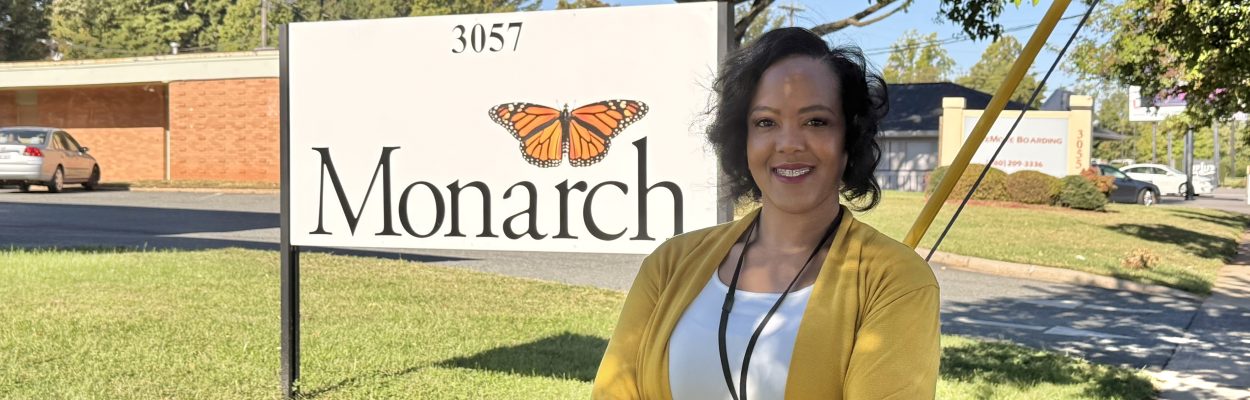
For Tremika Baldwin, helping people improve their health starts with meeting them where they are. As a nurse practitioner on Monarch Healthcare’s Assertive Community Treatment Team (ACTT), she works alongside individuals living with severe and persistent mental illness, providing care and support in the community and helping them work toward their goals.
A Charlotte native, Tremika began her healthcare career as a certified nursing assistant in 2006 before becoming a registered nurse in 2011. Driven by a desire to expand her impact, she continued her education and became dual board-certified in adult-gerontology and psychiatric mental health. Since joining Monarch Healthcare in 2023, she has brought that unique combination of expertise to her work with individuals served through ACTT.
In the following Q&A, Tremika shares her career path, what she enjoys most about her role and why she believes it is so important to care for the whole person.
Q: Could you tell us a little about yourself and your professional journey to becoming a nurse practitioner?
“I started out in nursing in 2006. I initially started out as a CNA. I became a registered nurse in 2011, and I always had a goal to be advanced in nursing and to be able to impact lives at a higher level. So I was motivated to return to school and complete my MSN as an Adult-Gerontology Nurse Practitioner.
As mental health became a little more prevalent in the community and nationwide, and as we started pulling the rug out from under some of the stereotypes that people had, I became motivated to go back and get my psychiatric mental health certification.
I started out in ACTT in 2016. At that time, the certification was not required, so I was able to function in that role for approximately a year before the state enforced the requirement that providers have certification. That further motivated me to go back and earn it, which I did in 2019.
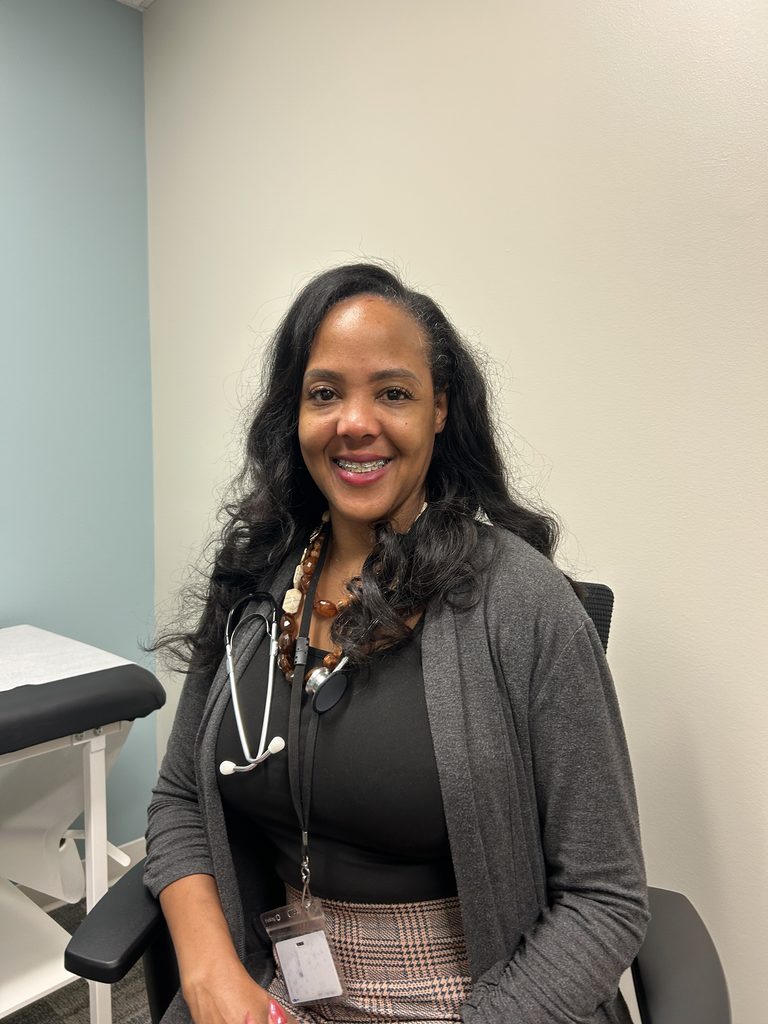
From there, I continued working in ACTT and outpatient psychiatry, serving individuals across the lifespan, from children to older adults.”
Q: What led you to join Monarch Healthcare specifically?
“I first started at Monarch Healthcare in January of 2023. I started initially in the role of an Advanced Practice Provider (APP). Since then, I’ve worked in outpatient services, worked in Virtual Open Access (VOA), continued to work in ACTT and now utilize my adult-gerontology background as well.
Monarch Healthcare has always been what I would call a staple in the community. It has been around for a very long time, and I aligned with its values and mission.
I wanted to work within a company that aligned with my values and mission and one that had multiple resources for the community that I serve and love. I’m a Charlotte native, and I wanted to be a part of what I call this great organization.”
Q: How does your role differ from that of a nurse practitioner in a traditional medical setting?
“As far as the ACTT role goes, it is a higher level of care that caters to our severe and persistent mental health population here in the Charlotte community and surrounding areas.
We’re able to meet patients where they’re at in the community versus a traditional outpatient setting. These individuals may have challenges engaging in outpatient care because of multiple barriers that they face. Being able to go out into the community, meet them where they’re at and still assess their needs and provide them with the quality and safe care that they deserve is a big part of what makes ACTT unique.”
Q: What do you find most rewarding about caring for the individuals you serve?
“What I find most rewarding is being able to be a conduit to help impact their lives in a positive way.
Seeing how they go from maybe a very distressing or severe mental health state to becoming more optimized and able to function in the community, complete their goals on ACTT or actively work toward those goals, that is what is rewarding to me as a provider.”
Q: What does meaningful progress look like to you when working with a patient?
“Meaningful progress is being able to assess and see where that person is at when they come to us and then being able to provide resources while working collaboratively with the team. Their case managers are also highly beneficial for them.
Seeing that progression from where they may have started with us, maybe in a place where they were not functioning at their best in the community, to where they are now is meaningful. We’ve had individuals who have obtained housing, regained their driver’s licenses and maintained gainful employment. Being able to really see that progression is what meaningful progress looks like to me.”
Q: What’s something about your role that some people might find surprising?
“I’m dual board-certified and able to help individuals holistically from both a medical and mental health standpoint.
I’m able to apply both perspectives and incorporate therapeutic components as well. Having that dynamic allows me to meet people where they’re at and approach their care in a holistic way.”
Q: In your opinion, why is it important to consider mental health alongside physical health?
“It’s important to approach people holistically. There are many different facets to us as human beings, and there may be multiple factors that impact a person’s health.
Stress can impact health. Cultural dynamics can impact health. Spirituality can impact health. Then there are the medical factors as well. There may be infections, chronic illnesses or other conditions that affect how someone functions. Looking at all of those factors together helps us better understand and support the whole person.”
Q: Can you share a moment in your career when you felt particularly proud of the difference you made?
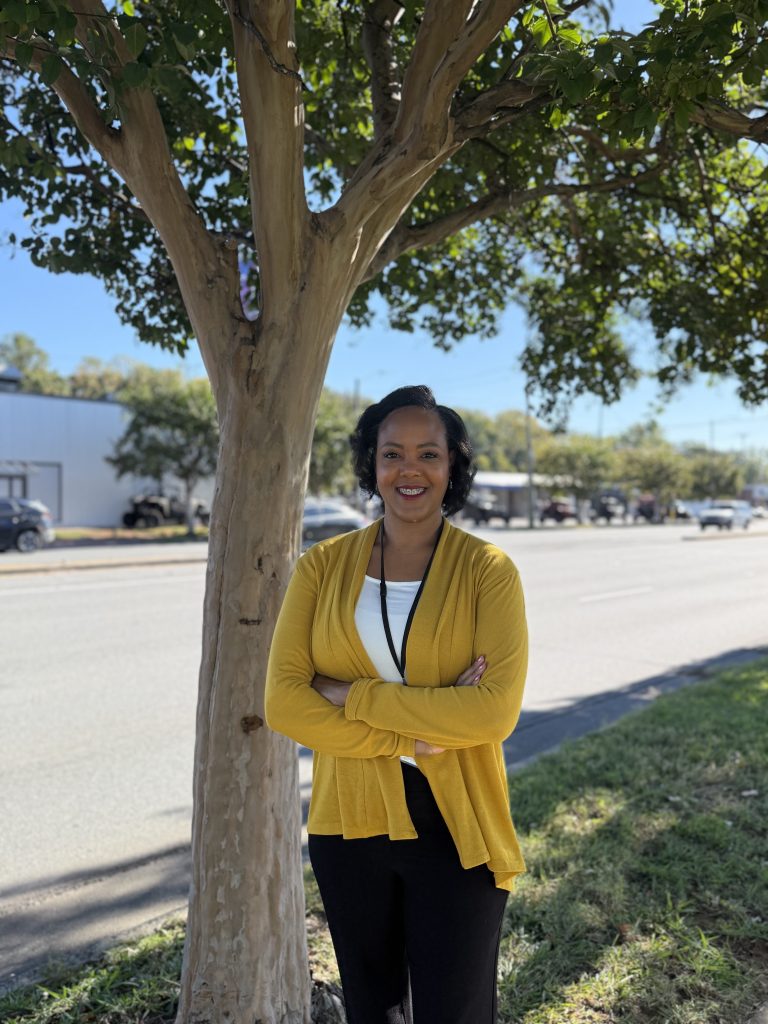
“A very proud moment for me involved a patient with a lot of complex medical issues. This was when I first started doing primary care work in the community with some of our ACTT patients.
This individual had not seen a medical provider in over two years. She had uncontrolled hypertension, had not had EKGs completed and had not received preventive screenings. I worked relentlessly with her, providing education and, with her permission, involving her family so they could help support her.
Over time, she became receptive to treatment. Building that rapport allowed her to trust me. She eventually received the medication treatment she needed and was referred to an outpatient provider who could better meet her needs. She ultimately completed preventive screenings, including a mammogram, colonoscopy and EKG.
Being able to help that person receive the level of care that she needed was probably one of my proudest moments.”
Q: What is something you’ve learned from the people you work with that has stayed with you?
“Things I’ve learned from the people we serve include taking into account the experiences and traumas they may have faced and learning to be grateful for life.
I’ve learned not to be anxious about the future and to stay grounded in where I’m at in the moment.
From my team, I’ve learned that there are great people out there. There are people who truly have a calling to make an impact, provide resources and be a positive influence in the lives of others. They are doing the work every day.”
Q: What do you wish more people understood about behavioral health?
“I wish more people understood that it is not something to shun or look down upon.
I wish people had more education about the dynamics of the brain. Just as any organ in the body can fail and become ill, the brain is also an organ. As someone may need insulin for diabetes, the brain sometimes needs those supplemental chemicals to help it balance.
I also wish people would educate themselves and get rid of the word ‘crazy’ because the person is suffering from an ailment of the brain that needs support and treatment.”
Q: What keeps you passionate about the work you do, even on hard days?
“Merely the impact on my patients. Being able to be that conduit of hope, being able to provide people with what they need and seeing the outcome is what keeps me motivated.”
Tremika’s passion for meeting people where they are reflects Monarch Healthcare’s commitment to providing compassionate, whole-person-centered care. Through her work with ACTT, she helps individuals access treatment, overcome barriers and work toward meaningful goals while receiving support in the communities where they live.